
There is nothing more frustrating than stepping into the shower only to find water collecting around your feet. A slow shower drain is often caused by hair buildup, soap residue, and everyday debris that gradually create a stubborn blockage. The good news is that you do not always need expensive tools or harsh chemicals to solve the problem.
If you are wondering How to remove hair from the shower drain without damaging your plumbing, this guide covers practical methods homeowners can safely try. At Barney’s Plumbing, we believe that simple maintenance can help prevent costly repairs while keeping your drains flowing properly. Whether you have a minor hair clog or a more serious drain clog, these proven techniques can help restore proper water flow.
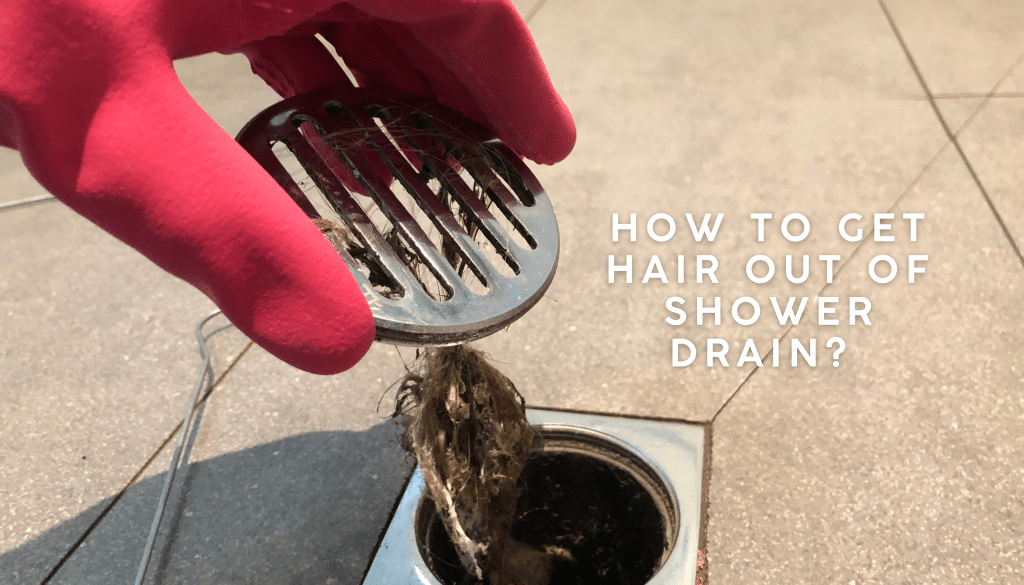
Start by Removing the Drain Cover and Inspecting the Shower Drain
The first step in learning How to clear hair from the shower drain is to check the opening itself. Many clogs form just beneath the surface, making them easy to remove once the drain cover is lifted.
Carefully remove the cover using the appropriate screwdriver if necessary. Shine a flashlight into the drain and look for visible hair buildup wrapped around the opening.
Before using any tools, put on gloves and gently pull out any visible hair clogs by hand. You may be surprised How much debris has accumulated over time.
At Barney’s Plumbing, we often find that this simple inspection solves many household drain problems before they become major plumbing issues.
Use a Plastic Hair Remover Tool for Quick Results
One of the easiest solutions is to use a plastic hair remover tool. These inexpensive tools are designed with small hooks that grab tangled hair inside the drain.
Simply insert the tool several inches into the shower drain, rotate it slightly, and slowly pull it back out. The hooked edges catch long strands that ordinary cleaning cannot reach.
This method works especially well for fresh hair clog problems and helps remove hair without damaging your pipes. Unlike harsh chemical cleaner products, this option is safe for most plumbing systems.
If the drain remains slow after several attempts, the blockage may be located deeper inside the line.
Break Down Minor Hair Clogs With Baking Soda and Vinegar
Many homeowners successfully clear small blockages using baking soda and vinegar. This natural combination can loosen soap residue while helping break apart minor clogs.
Follow these simple steps:
- Pour about one-half cup of baking soda into the drain.
- Slowly add one cup of vinegar.
- Allow the mixture to fizz for 20 to 30 minutes.
- Flush the drain with hot water.
- Test the flow by running additional water through the shower.
Although this method may not remove thick masses of hair, it works well for light buildup and routine maintenance. Barney’s Plumbing often recommends this technique to homeowners who want to avoid using harsh drain cleaners.
Try a Hair Snake or Small Drain Snake
When the blockage sits deeper inside the pipe, a hair snake or small drain snake can reach areas that simple tools cannot.
Insert the tool slowly into the drain, rotate it gently, and pull it back out. The twisting action helps capture tangled hair while loosening compacted debris.
A quality drain snake can often restore proper drainage within minutes. However, avoid forcing the tool aggressively, as excessive pressure could damage older plumbing systems.
If repeated attempts to clear the blockage fail, Barney’s Plumbing recommends contacting a professional before the problem worsens.
Flush the Drain With Hot Water to Remove Loose Debris
Once you have removed as much hair as possible, flush the shower drain thoroughly with hot water.
The hot water helps carry away loosened soap residue, smaller hair particles, and any remaining debris still in the pipe. This simple step often completes the cleaning process after using a hair remover, hair snake, or drain snake.
If water still drains slowly, there may be a larger obstruction farther down the plumbing line that requires professional service.
At Barney’s Plumbing, we always encourage homeowners to test drainage several times before assuming the clog has been fully removed.
Install a Hair Catcher or Strainer to Prevent Hair Buildup
The easiest clog to fix is the one that never happens.
Installing a hair catcher or strainer over your shower drain dramatically reduces future maintenance. These inexpensive accessories capture loose hair before it enters your plumbing system.
A properly fitted drain cover, hair catcher, or strainer can help prevent hair from collecting inside the drain while still allowing water to flow freely.
Making this small investment today can help you avoid future repairs and keep your drains cleaner for much longer.
Barney’s Plumbing regularly recommends preventive solutions because they save homeowners both time and money.
Know When a Drain Clog Needs Professional Plumbing Service
Sometimes even the best DIY methods are not enough.
If your drain continues backing up after trying multiple techniques, the problem may involve compacted debris, damaged pipes, or a blockage farther down the plumbing line.
Common warning signs include recurring hair clogs, foul odors, standing water in the bathtub, multiple slow drains, or unusual sounds coming from nearby plumbing fixtures.
These situations often require specialized equipment that can safely clear the obstruction without causing additional damage.
Barney’s Plumbing offers professional drain cleaning and repair services designed to restore proper flow while protecting your plumbing system from unnecessary wear.
Prevent Future Shower Drain Problems With Simple Habits
Keeping your drain clear requires only a few minutes of regular maintenance.
After every shower, remove visible hair before it enters the drain. Clean your hair catcher or strainer weekly and flush the drain with hot water every couple of weeks.
Avoid washing excessive amounts of hair products, grease, or thick residue down your plumbing system. These materials, combined with loose hair, can create stubborn drain clogs.
If your home has older plumbing, periodic inspections can identify developing issues before expensive repairs become necessary.
At Barney’s Plumbing, we know that consistent maintenance helps homeowners extend the life of their plumbing while reducing emergency service calls.
Trust Barney’s Plumbing for Reliable Drain Cleaning Solutions
Learning How to clear hair from the shower drain gives homeowners the confidence to handle many common blockages on their own. However, every clog is different, and some require professional attention.
Whether you need help clearing a difficult drain, repairing damaged plumbing, or scheduling routine maintenance, Barney’s Plumbing offers dependable solutions tailored to your home’s needs. From drain cleaning and fixture installation to water heater and heating maintenance, our experienced team is committed to providing quality workmanship and outstanding customer care.
When simple DIY methods no longer work, you can trust Barney’s Plumbing to diagnose the problem accurately and deliver lasting results that keep your home’s plumbing running smoothly.
Contact Us
A clean, free-flowing shower drain makes every day more enjoyable. While many hair clogs can be removed with simple household methods such as baking soda, vinegar, a plastic hair-removal tool, or a small drain snake, some situations require expert care. Instead of struggling with recurring blockages, let Barney’s Plumbing help you protect your plumbing system with reliable drain cleaning, repair, and maintenance services. Call Barney’s Plumbing today to schedule professional service and enjoy dependable plumbing solutions that keep your home running at its best.