

When planning a bathroom remodel or improving drainage around your property, you may come across the question, what is a linear drain? Unlike traditional floor drains, a linear drain offers a sleek appearance, efficient water flow, and modern functionality. It has become a popular choice for residential and commercial spaces because it combines style with performance.
Whether you are upgrading a bathroom, designing a walk-in shower, or improving water management outdoors, understanding how this type of drain works can help you make an informed decision. At Barney’s Plumbing and Sewer Services, we help homeowners choose plumbing solutions that improve both function and long-term reliability.
What Is a Linear Drain?
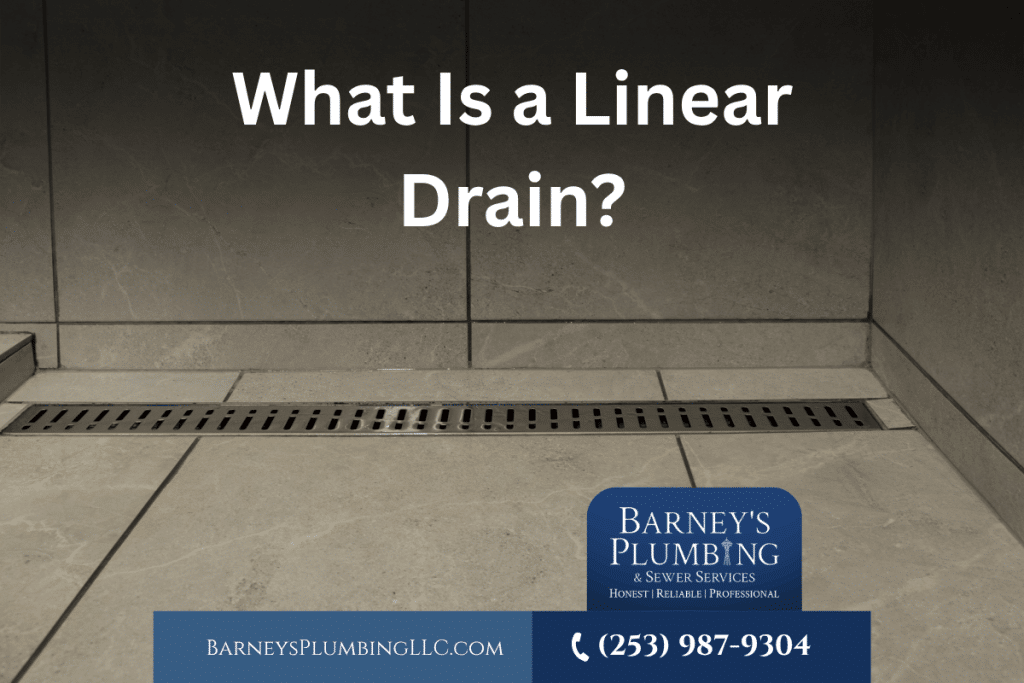
If you have ever wondered what is a linear drain, it is a long, narrow drainage channel that collects water along a single edge rather than through a traditional round drain located in the center of the floor. Because of its elongated design, water flows into a continuous channel covered by a decorative grate.
Unlike standard drains that require the floor to slope toward a single point, linear drains allow the surface to slope in one direction. This simplifies tile work while creating a cleaner, more modern appearance.
Today, linear drains are commonly installed in bathrooms, kitchens, laundry rooms, commercial spaces, and even outdoor drains where efficient water removal is important.
How Linear Drains Work
A linear drain uses a long channel beneath a removable grate to collect and direct water into the home’s drain system. Since the water enters through the entire length of the channel instead of one small opening, drainage is often faster and more effective.
The grate style can vary depending on the desired appearance. Some homeowners choose decorative metal grates, while others prefer tile-insert designs that blend with the surrounding flooring for a seamless finish.
Because the entire floor slopes toward one side instead of the center, installation can often provide a cleaner and more accessible layout.
Where Are Linear Drains Commonly Used?
Linear drains have become increasingly popular in many residential and commercial applications.
Some of the most common locations include:
- Walk-in shower installations
- Barrier-free bathrooms
- Spa-inspired bathrooms
- Laundry rooms
- Pool decks
- Patios
- Outdoor drains around homes
- Commercial kitchens
- Locker rooms
A linear shower design is especially popular because it creates a spacious appearance while improving water control.
Benefits of Installing a Linear Drain
There are several reasons homeowners choose a linear drain over a traditional center drain.
Modern Appearance
A linear drain provides a clean and contemporary look that complements modern bathroom designs. The long, narrow drain creates an elegant finish without interrupting the overall tile pattern.
Easier Tile Installation
Since the shower floor only slopes in one direction, tile installation can be simpler than creating multiple slopes toward a center drain. Larger tile pieces can often be used without extensive cutting.
Improved Accessibility
Many accessible bathrooms use linear drains because they allow for curbless shower entrances. This creates safer access for individuals with mobility challenges.
Better Water Management
The longer collection channel captures water efficiently across a wider area, reducing standing water during heavy use.
Design Flexibility
Linear drains work with many flooring materials, including:
- Ceramic tile
- Porcelain tile
- Natural stone
- Vinyl flooring
- Concrete finishes
This flexibility allows homeowners to achieve almost any design style.
Materials Used for Linear Drains
Most high-quality linear drain products are made from stainless steel because it offers several advantages.
Stainless steel is:
- Corrosion resistant
- Durable
- Easy to clean
- Attractive
- Long lasting
Many premium models also feature removable grates for easier maintenance and cleaning.
Low Profile Linear Floor Drains
One increasingly popular option is low profile linear floor drains. These systems are designed for projects where floor height is limited while still providing excellent drainage performance.
Low profile linear floor drains are commonly used during remodeling projects because they can often fit into existing floor structures without major reconstruction.
Your plumbing professional can determine whether this option is suitable for your home.
Linear Drain vs Traditional Center Drain
Many homeowners compare a linear drain with a standard point drain before starting a remodeling project.
A traditional drain is positioned in the center of the floor, requiring the entire surface to slope toward one square opening. This often requires additional tile cuts and more complex flooring preparation.
A linear drain, on the other hand, is installed along one wall or near the shower entrance, allowing the entire shower floor to slope in a single direction. This creates a smoother appearance and simplifies installation in many cases.
Choosing the Right Grate Style
One of the most noticeable design features is the grate style.
Common options include:
- Slotted grates
- Perforated grates
- Decorative patterned grates
- Tile insert grates
A tile insert grate allows the surrounding tile to sit inside the cover, making the drain nearly invisible while maintaining full functionality.
The right grate style depends on your design preferences, cleaning needs, and overall bathroom aesthetic.
Waterproofing Is Essential
Proper waterproofing is one of the most important parts of any linear drain installation.
The waterproof membrane must connect correctly with the drain flange to prevent leaks beneath the flooring. Professional installation helps ensure the waterproofing system performs correctly for many years.
Poor waterproofing can lead to moisture damage, mold growth, and expensive repairs, making proper installation essential.
Does a Linear Drain Require Special Maintenance?
Routine maintenance is fairly simple.
Homeowners should:
- Remove hair and debris regularly.
- Lift the grate occasionally for cleaning.
- Flush the drain with water.
- Inspect for buildup.
- Schedule professional inspections if drainage slows.
Keeping the drain clean helps maintain efficient water flow and extends the life of the entire drain system.
Is a Linear Drain Worth the Cost?
Although the initial cost may be higher than a traditional drain, many homeowners consider the investment worthwhile because of the improved appearance, easier accessibility, and excellent drainage performance.
The overall project cost depends on factors such as:
- Bathroom size
- Existing plumbing
- Tile selection
- Installation complexity
- Waterproofing requirements
Working with experienced plumbing professionals helps ensure the system is installed correctly from the beginning.
Final Thoughts
Understanding what is a linear drain helps homeowners make better decisions when planning bathroom renovations or improving property drainage. Its sleek appearance, efficient drainage, and flexible installation options have made it a preferred choice for modern homes.
Whether you are designing a luxury bathroom, upgrading a shower pan, improving outdoor drains, or selecting the best drain guide for your remodeling plans, a professionally installed linear drain can provide years of reliable performance. Consulting experienced professionals like Barney’s Plumbing and Sewer Services ensures your installation is completed safely, efficiently, and according to industry standards.